Ireland: Castles, Legends, and Green Horizons
Dublin → Cashel Castle; Blarney Castle; Cahir Castle
Intro
This was a very short trip that I orchestrated for a birthday escape from London. Ireland had always been on my bucket list, and I saw a chance to visit for my 28th birthday. An unusually lonely birthday perhaps, since I spent the day with strangers touring castles, but a childhood dream come true at the same time.
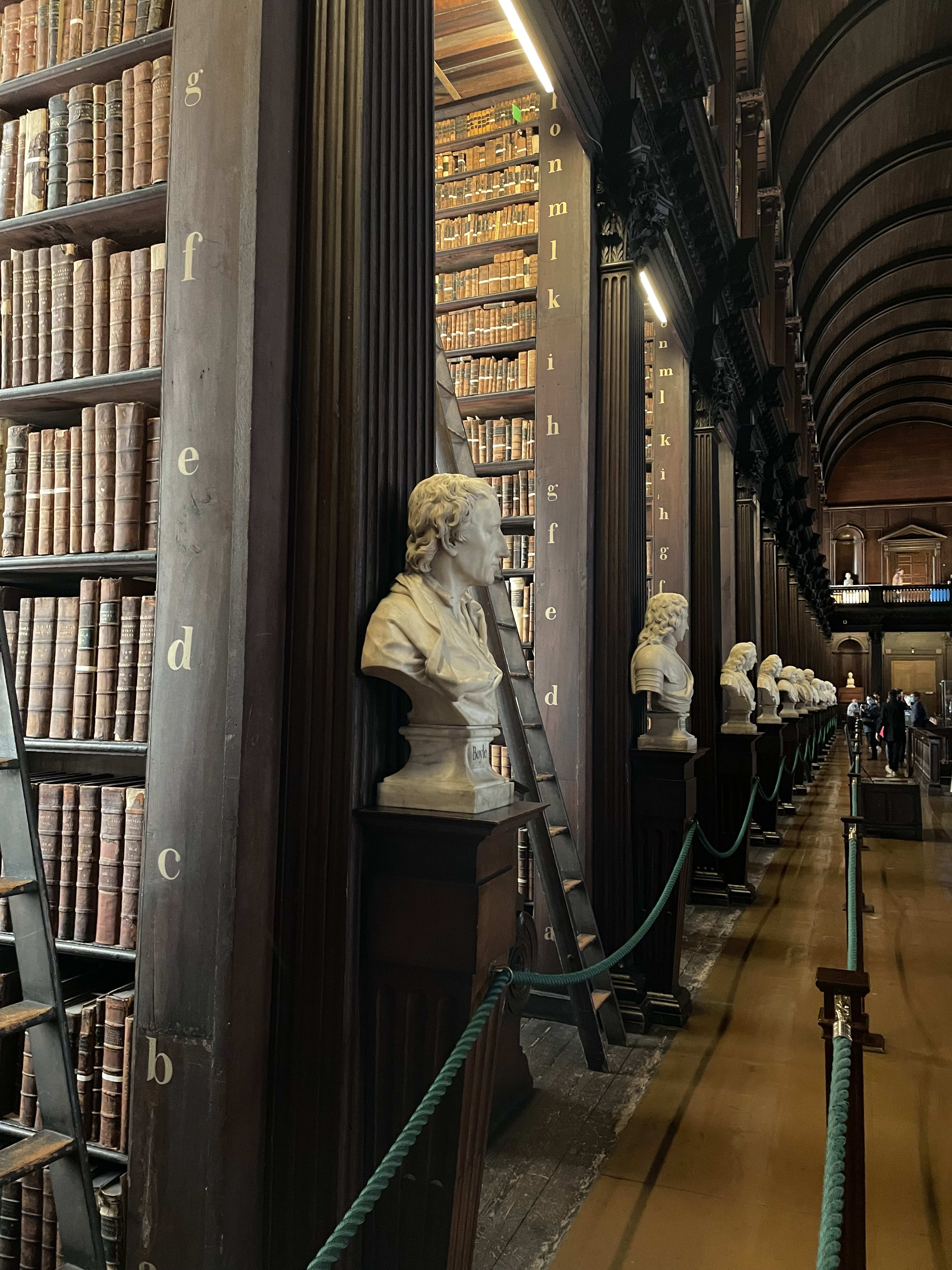
This trip definitely deserved to be longer, and I am sure I left too many wonders unexplored. That said, I did my best to enjoy and hit the main landmarks in Dublin, and I stumbled into what became one of my favourite places in the world: The Old Library at Trinity College. I had never been in such an arcane, inspiring place; looking straight out of a medieval tale or even from Hogwarts itself.
 The Old Library at Trinity College, my highlight of the whole trip
[content_table]
Itinerary
I split my three available days into two full days in Dublin, plus an extra day for a castle tour in the countryside:
Day 1 (19/11/2021): Dublin, part I
- Trinity College ; Book of Kells & Old Library Exhibition
- National Gallery of Ireland
- St Stephen Green Park
- National Museum of Ireland
- Liffey River and Harp Bridge
Day 2 (20/11/2021 ; my birthday!) Day tour
- Rock of Cashel
- Blarney Castle
- Cahir Castle
Day 3 (21/11/2021): Dublin, continued
- Dublin Castle, the State Apartments.
- Christ Church Cathedral
- St Patrick’s Cathedral
- Walking around pedestrian streets (Grafton St, etc) and River Liffey bridges
Dublin in photos
Trinity College
Trinity College Dublin, founded in 1592, is Ireland’s oldest university and home to the breathtaking Long Room of the Old Library. It also houses the Book of Kells, a 9th-century illuminated manuscript that draws visitors from around the world. This is the first place I headed after my plane landed, since it was the attraction I wanted to visit the most.
 The Campanile of Trinity College stands tall at the heart of the campus, a slender bell tower inspired by Italian design. It marks the symbolic center of the university, where tradition says students avoid walking beneath it—unless they want bad luck before exams.
The Long Room at the Old Library at Trinity College: One of the most breathtaking places I’ve ever seen, literally looking like a wizard’s library. See the next section for a gallery of pictures. I’m going to share a few pics in this section, but jump to the Annex if you want to go over a section I wrote with detail and more photos of the library.
[carousel]

[/carousel]
Pro tip: Entry tickets are limited and sold for a specific entry time. You must make sure to enter at the allocated time, and then you are free to roam the library. The Long Room, which is the most beautiful and photogenic room, is at the end of the exhibit. You can rush straight to Long Room while people in your slot are seeing the first few exhibits. That gives you ~15 minutes on your own to enjoy the almost deserted Long Room, which gets crowded at the end. You can then backtrack to the beginning of the exhibit.
The National Gallery of Ireland
A beautiful art museum with plenty of Irish artworks, where I spent a few hours browsing the exhibits and connecting with Irish culture and history through art. Here are my four highlights:
[carousel]
 “Portrait of Lady Lavery as Kathleen Ni Houlihan” - A mythical female figure representing Ireland itself, often depicted as an old woman who transforms into a young queen when Ireland is freed.
 “Mass in a Connemara Cabin”, Aloysius O’Kelly, 1883, National Gallery Dublin. The painting depicts a Catholic priest secretly saying Mass in a rural Irish cottage — likely during the time when Catholic worship was suppressed under British rule (the Penal Laws, 17th–18th centuries).
 Detail from Erskine Nicol, ‘The 16th, 17th (St Patrick’s Day), and 18th March’, 1856.
Saint Patrick (c.385–c.461) was born in Roman Britain. He was kidnapped and brought to Ireland by Irish raiders when he was 16 years old. He escaped to Britain six years later and became a priest, returning to Ireland to convert the pagan Irish to Christianity.
The 17th March, traditionally the day Saint Patrick died, was made an official Christian feast day in the early 17th century. The celebration of Saint Patrick’s Day has been a religious day and a day of festivities, even as far back as the 1800s, as we can see in this painting. It was declared a national Irish holiday in 1900.
Detail from Erskine Nicol, ‘The 16th, 17th (St Patrick’s Day), and 18th March’, 1856.
Saint Patrick (c.385–c.461) was born in Roman Britain. He was kidnapped and brought to Ireland by Irish raiders when he was 16 years old. He escaped to Britain six years later and became a priest, returning to Ireland to convert the pagan Irish to Christianity.
The 17th March, traditionally the day Saint Patrick died, was made an official Christian feast day in the early 17th century. The celebration of Saint Patrick’s Day has been a religious day and a day of festivities, even as far back as the 1800s, as we can see in this painting. It was declared a national Irish holiday in 1900.
 Donnybrook Fair - 1859: An annual event that ran for 600 years until its ultimate abolition in 1868.

[/carousel]
Sightseeing Dublin: Street views, Parks, River Liffey
I spent a few hours simply strolling around, walking the main streets and St Stephen’s Green Park.
[carousel]
 I stumbled into Shelbourne Hotel, with its Nubian Princess statue
 St Stephen’s Green Park is the Central Park of the City
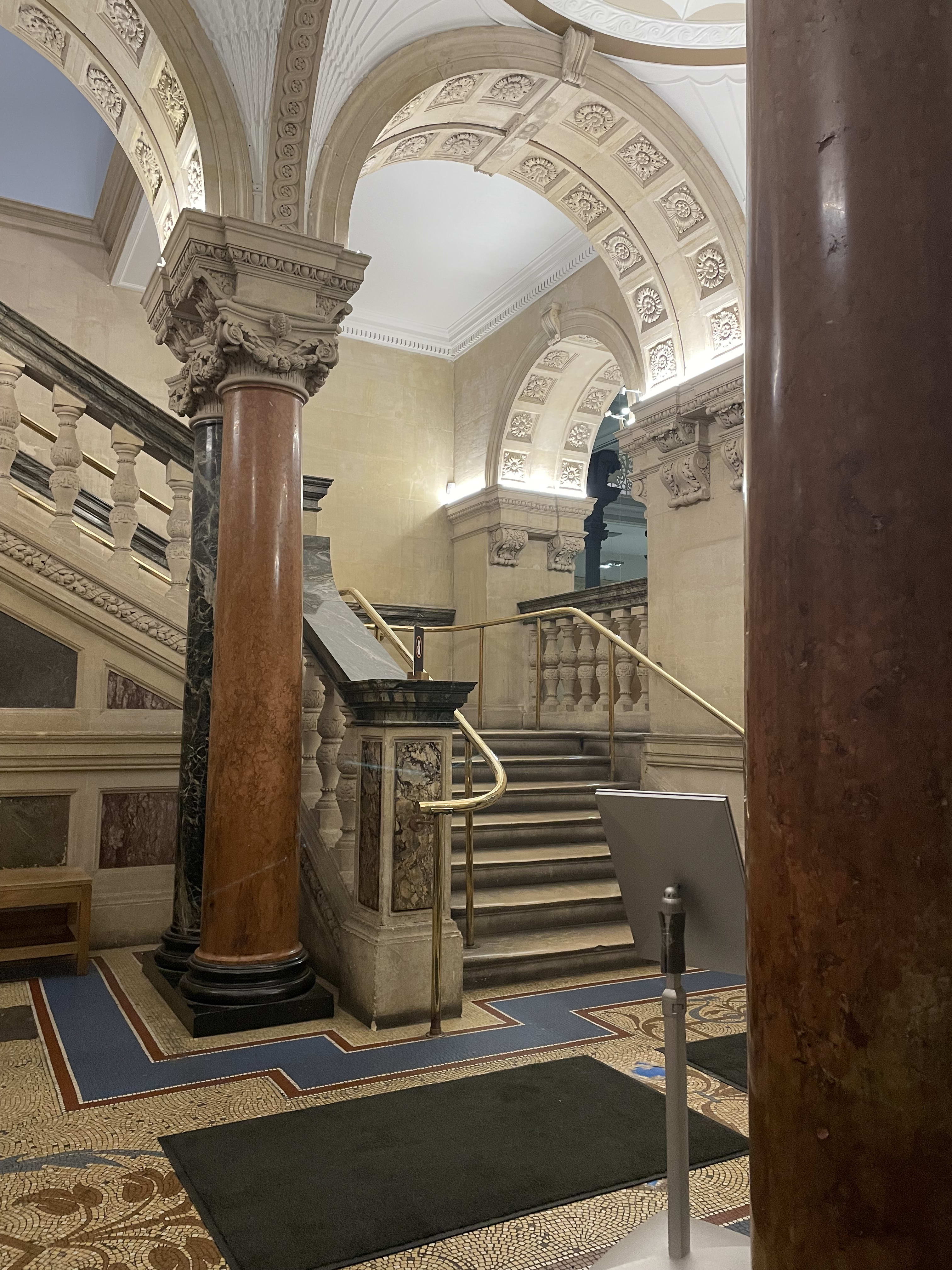 I also visited the National Museum of Ireland, where I spent most of my time in the Archaeology exhibit
 Dublin is traversed by the River Liffey, and my favourite bridge is definitely Samuel Beckett Bridge, which looks like a harp (the national symbol of Ireland)
 River Liffey is crossed by many picturesque bridges
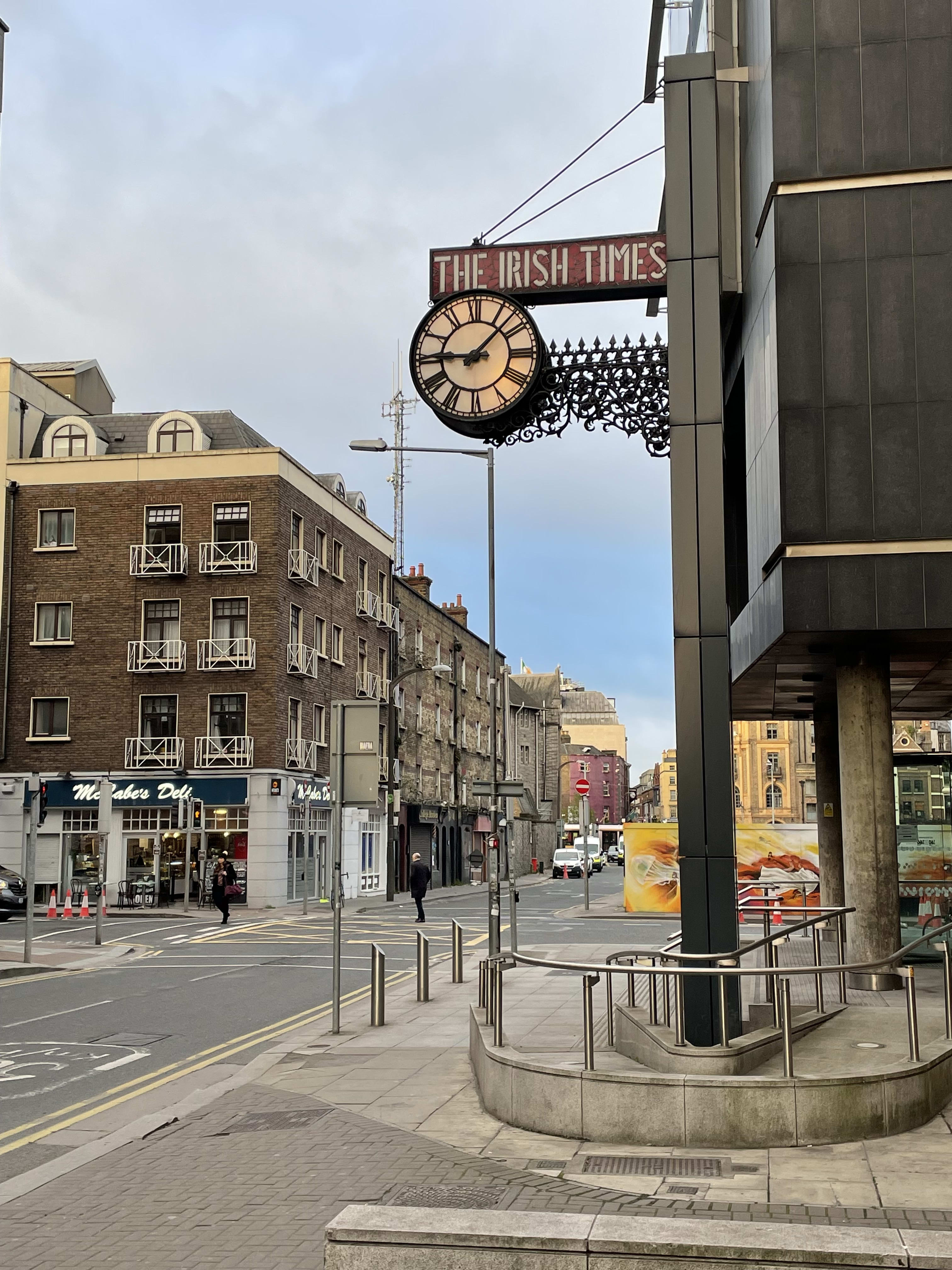
[/carousel]
Dublin Castle
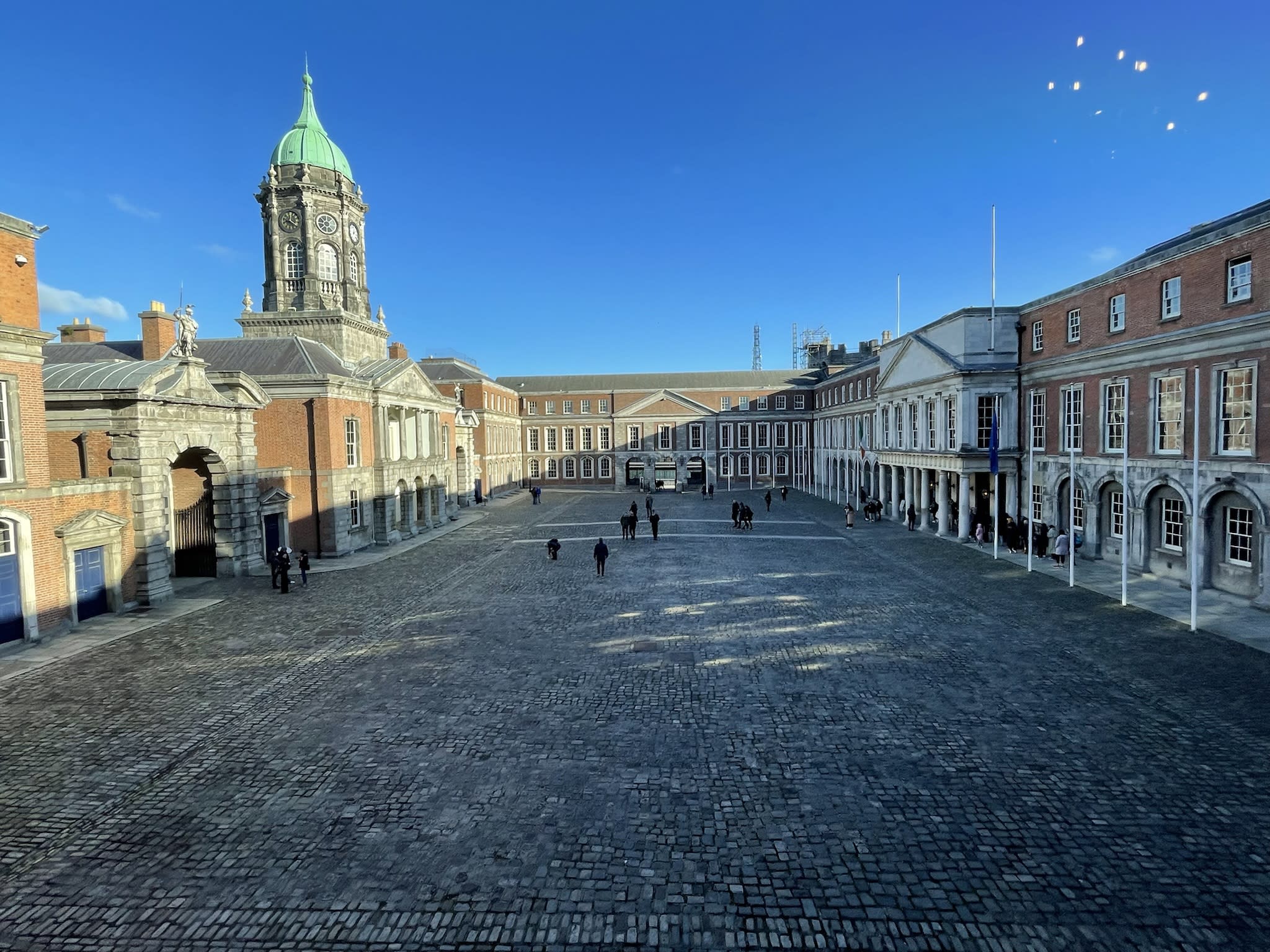
Dublin Castle doesn’t really look like a castle, since the original castle was destroyed in 1684 by a fire. What we see today is mostly a Georgian-style palace from the 18th century, with a few medieval structure sections.
The complex is more of a multi-building government and historical site that is well worth a visit. The Upper Courtyard is the main plaza:
[carousel]

[/carousel]
Here I visited the State Apartments from the 18th century, residence for the Viceroy who represented the British monarch in Ireland. In 1922, the last ever Viceroy handed Dublin Castle over to the government of the newly-independent Irish state. Since then, each president has been inaugurated in St Patrick’s Hall.
[carousel]
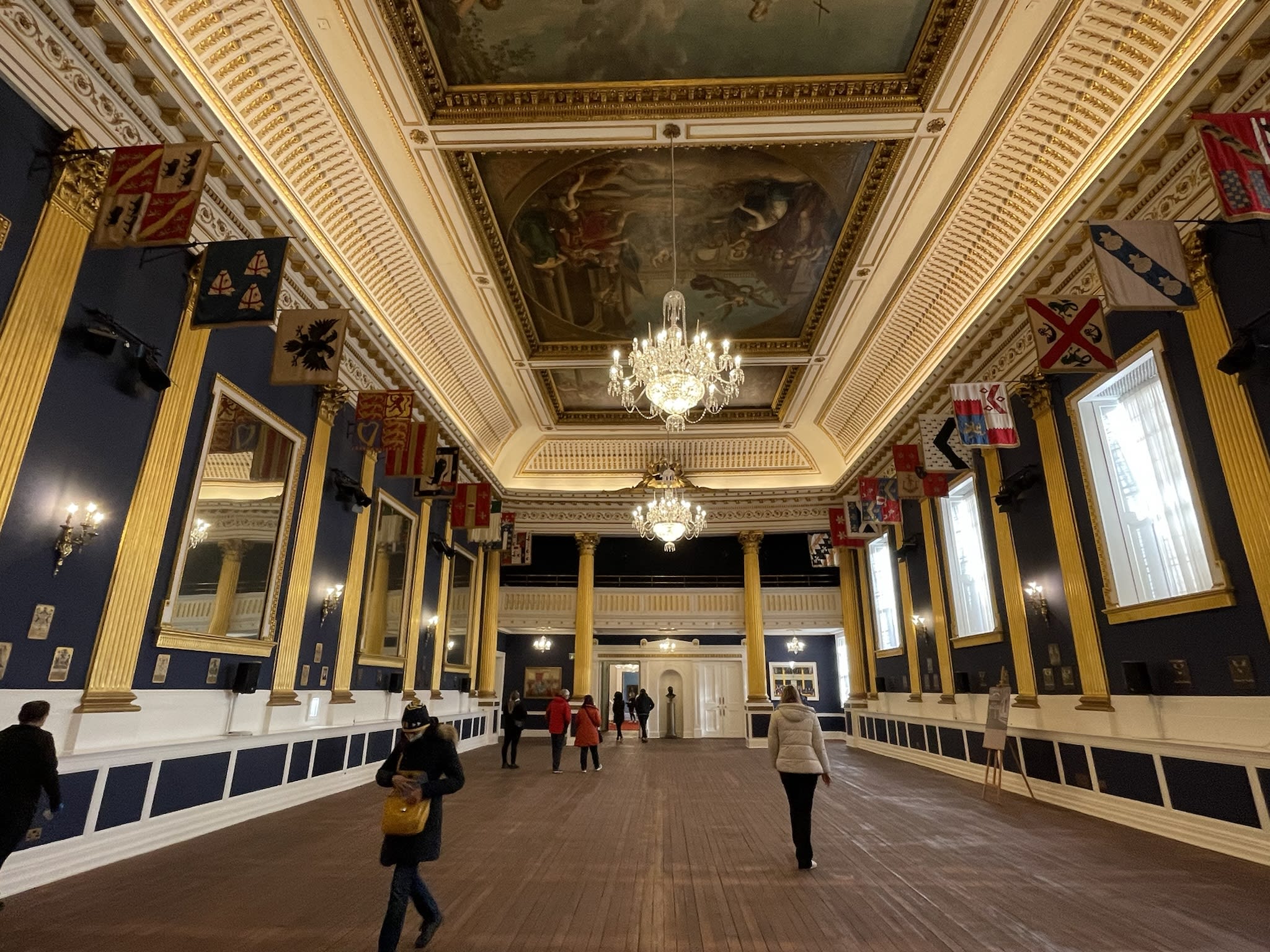 St Patrick’s Hall
 State rooms
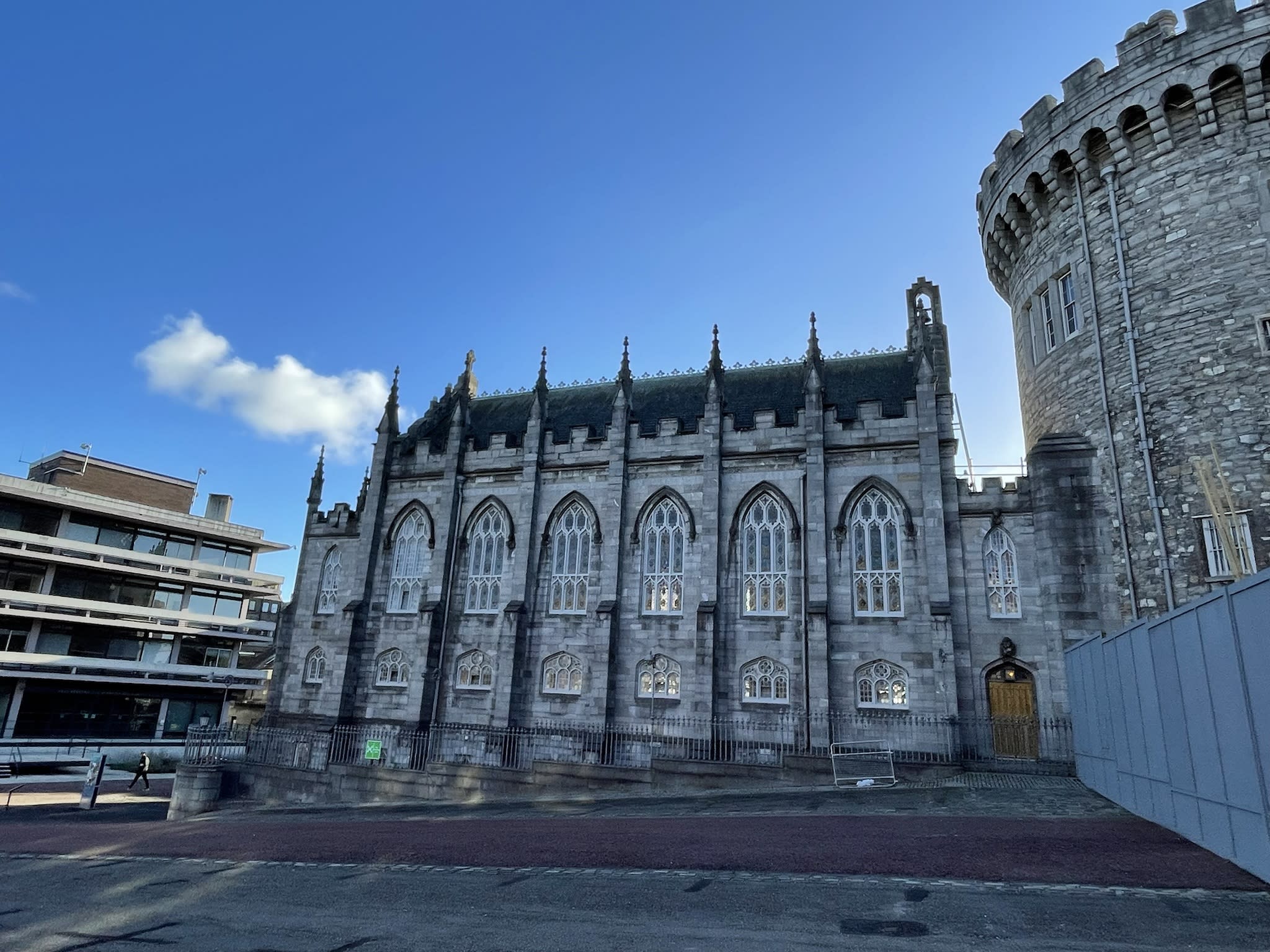 The Chapel Royal, part of the same complex, is a Neo-Gothic church built in 1814. On the right is the Record Tower, the only surviving medieval tower in the complex.
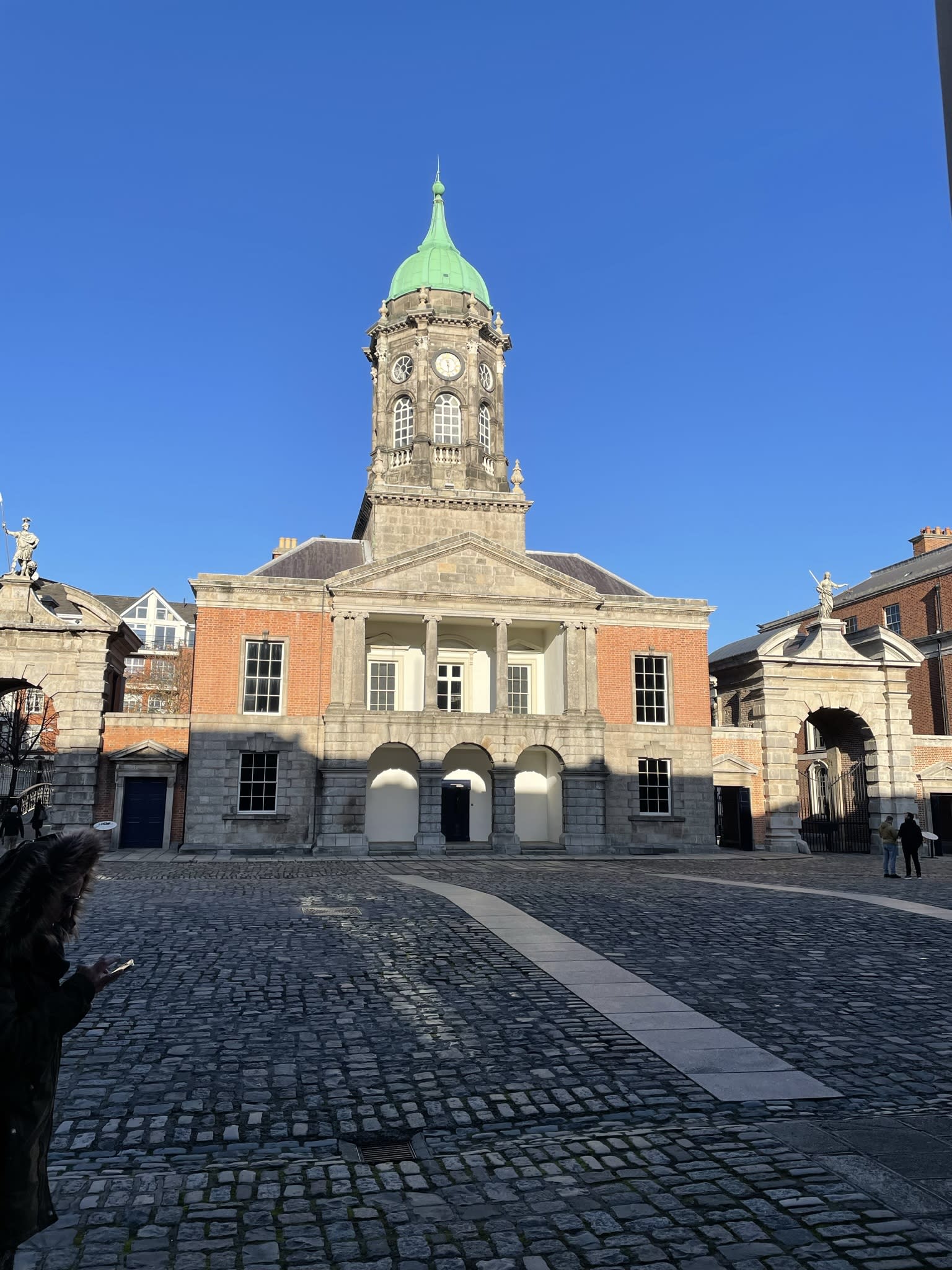 Bedford Hall is one of the internal halls within the complex
[/carousel]
St Patrick Cathedral
From there, I moved on to visit the cathedrals:
[carousel]
 St Patrick’s Cathedral (1191), one of the iconic buildings of the city.
 Christ Church Cathedral, which looks impressively like a magical palace or a school of wizards.
[/carousel]
St Patrick is extremely popular in the country, and you’ll see it featured in most souvenir shops.
Who was St Patrick?
He is supposed to have lived in the 5th century, born in Roman Britain. At 16 he was kidnapped by Irish raiders and taken to Ireland as a slave. He worked as a shepherd for 6 years and found strength in his captivity through Christian faith. He escaped after God told him to flee in a vision, trained as a priest, travelled back as a missionary and spent decades spreading Christianity in Ireland.
His legacy: He brought Christianity to Ireland. Supposedly there are two verified writings by him and he actually existed, so it’s not all a myth. He became a symbol ofIrishness.
Castle tour on my 28th birthday
I booked a full day tour to three iconic medieval castles, which also gave me the chance to appreciate the lush Irish countryside.

Rock of Cashel
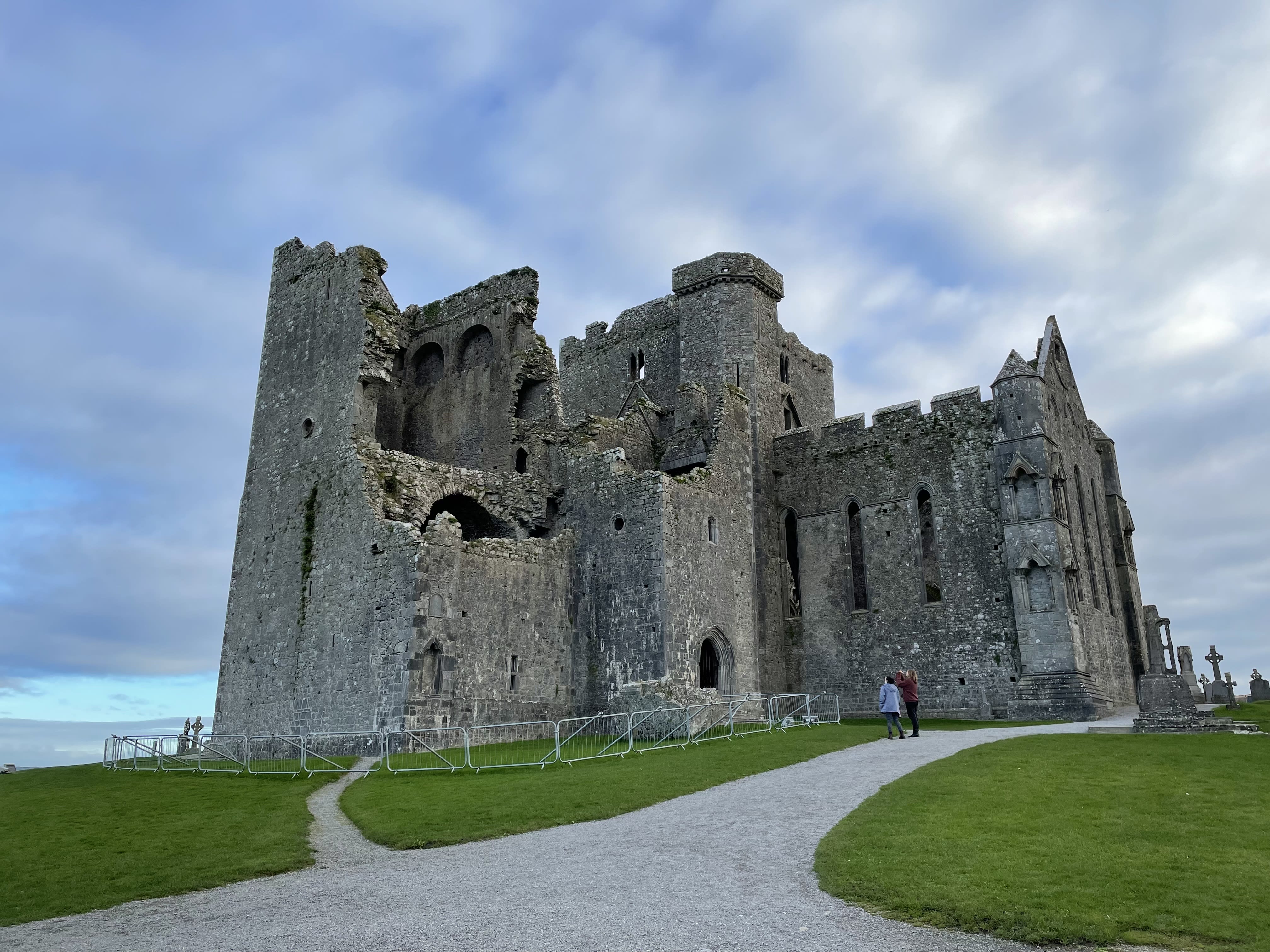
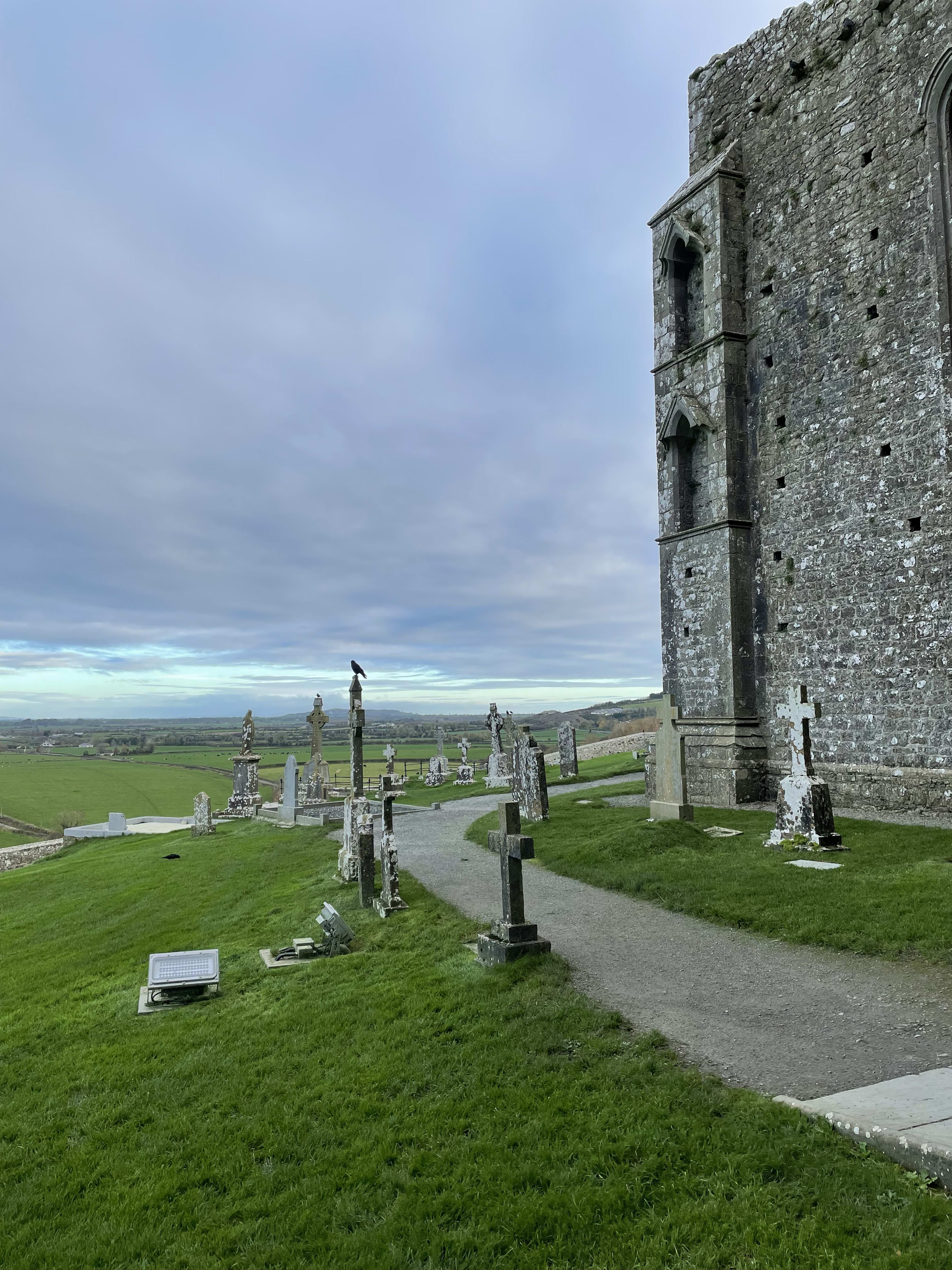
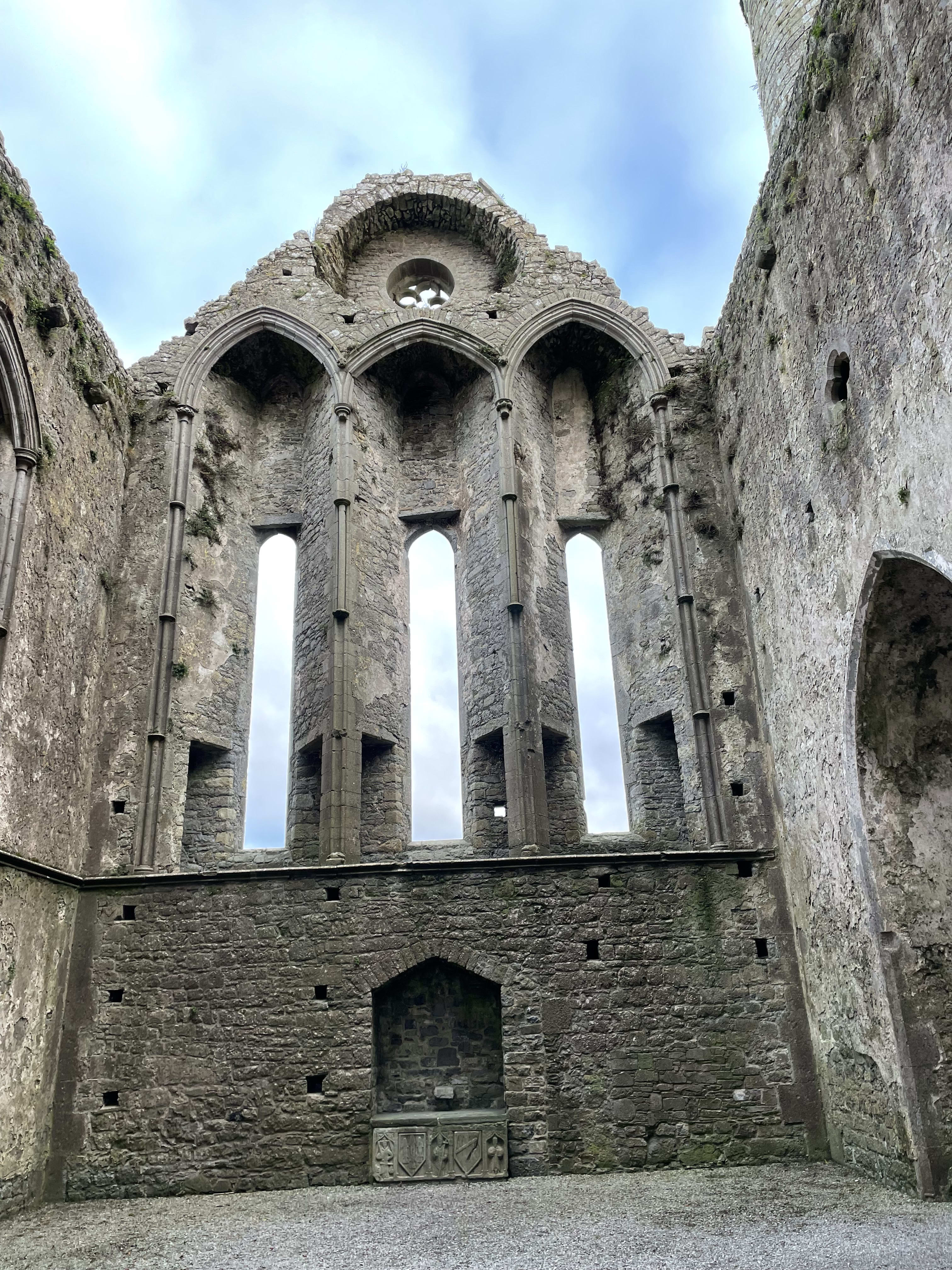
The Rock of Cashel is one of Ireland’s most iconic sites. It dramatically rises from the surrounding plain on a limestone outcrop:

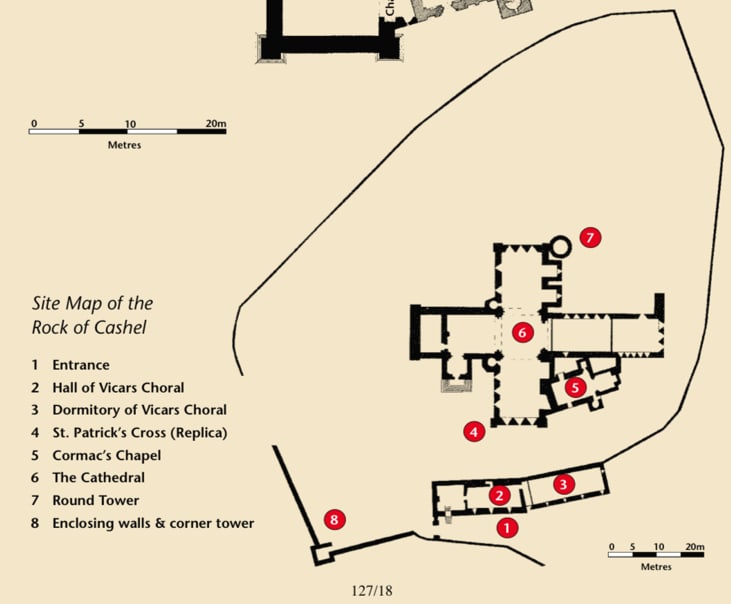
It is a medieval complex of ruins with a fascinating history:
- (300 - 1101) The rock serves as the seat of the Kings of Munster
- St Patrick is supposed to have visited in 450 and allegedly baptized King Aengus here
- Brian Boru, once of Ireland’s greatest High Kings, was crowned here in 977
- (1101 - 1647) Medieval Church Power
- The Rock is donated to the Church, shifting from royal to religious power
- The Round Tower (1100), Cormac’s Chapel (1130) and a large Gothic cathedral (1235) are built.
- Cashel becomes a major spiritual and administrative church centre
- (1647 - 1780) Decline and Destruction
- Sacked in 1647 during the Cromwellian Wars, the site is ruined
- Gradual abandonment, church functions shift to the nearby town, until the cathedral falls into ruin and roofless
- (1780 - Present) Romantic Ruin, Restoration and Tourism

Blarney Castle & Gardens
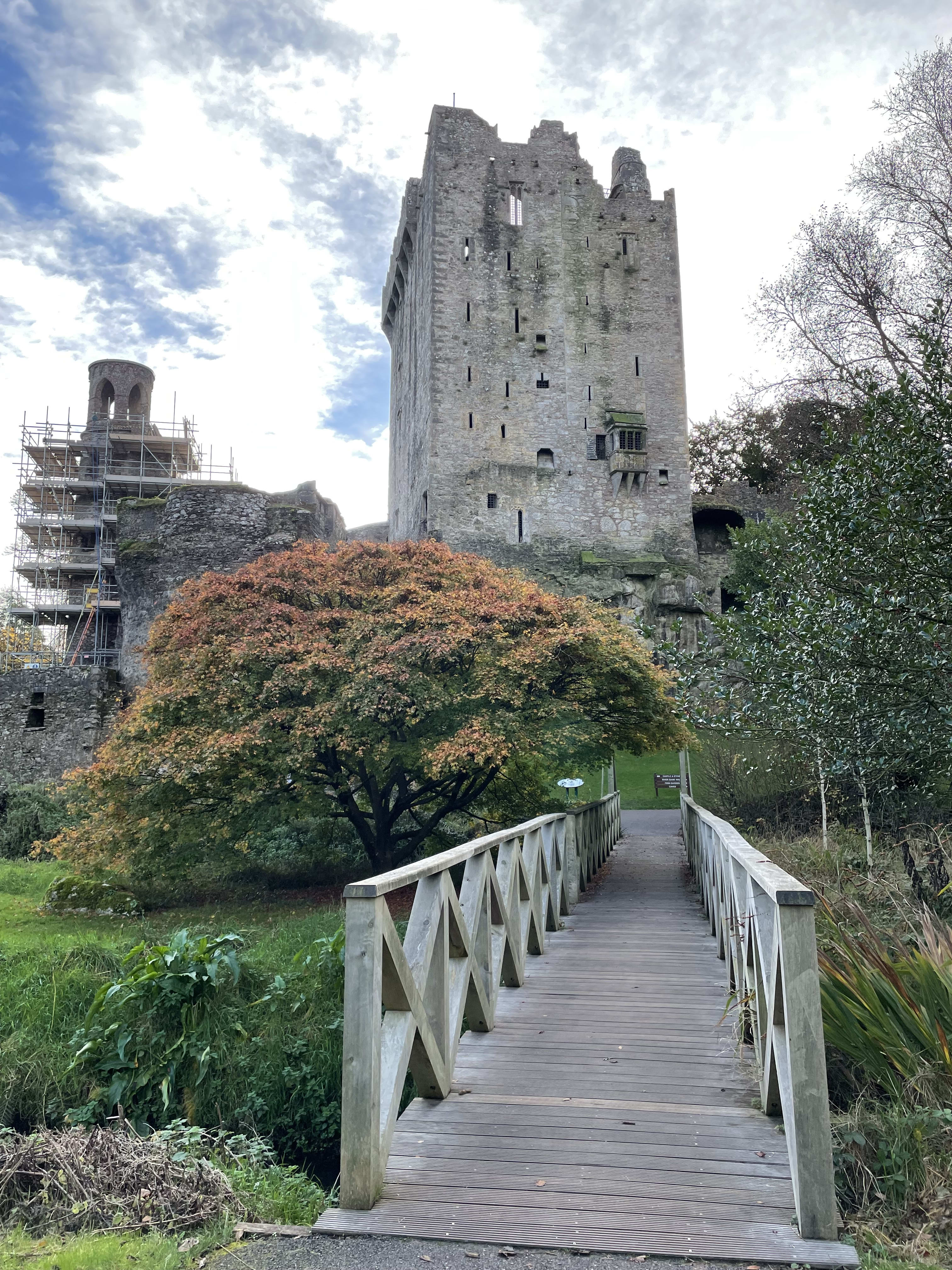
Blarney Castle is most famous for its stone, which supposedly has the power of conferring eloquence to all who kiss it. I have to confess that I get a little impatient when touristy attractions involve queueing to kiss or rub statues, stones, etc; and I never do it.
Located near Cork, it was built in 1200 AD and rebuilt in 1446, and currently it’s partially in ruins. The silly eloquence stone legend goes back supposedly to 1314; it’s been around for a while. Nothing really momentous happened here historically speaking, it’s more like a charming legendary symbol.
The MacCarthys were one of Ireland’s most powerful medieval clans. From early Christian roots linked to St Patrick to monumental works like Cormac’s Chapel at Cashel and the construction of Blarney Castle itself, their legacy blends political power, warfare, and enduring architectural heritage.
According to legend, Cormac MacCarthy, builder of the earliest part of Blarney Castle, once rescued an old woman from drowning in a lake. Revealed to be a witch unable to cross water, she rewarded him by revealing the magical powers of a stone already within his castle — the stone that would later become famous for granting eloquence to those who kiss it.
[carousel]


[/carousel]
Unfortunately as I was in a tour, I had a very limited time and I couldn’t see ALL the details as I would’ve normally done had I been on my own.
Cahir Castle
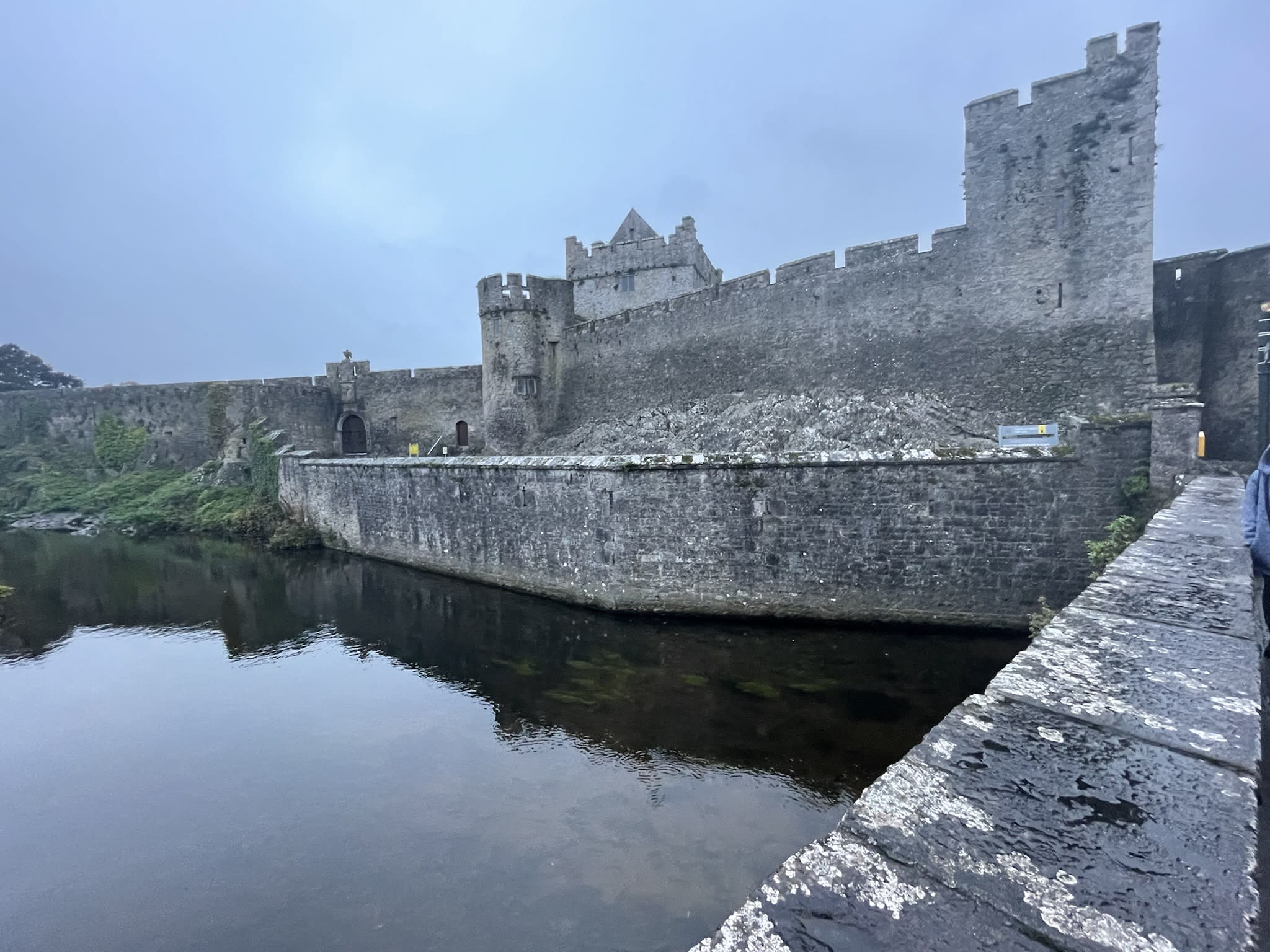
Pronounced “Care Castle”, it is one of Ireland’s largest and best-preserved medieval fortresses. Unlike Blarney, it has seen real military action and historical events.

It was built in 1142 by the Butler Family to control a key crossing on River Suir.
In 1599, during the Nine Years’ War when Irish chieftains rebelled against English rule, the castle was seized by rebel forces. The English army (under the Earl of Essex) besieged Cahir Castle and eventually broke through using artillery (a novelty).
The castle features massive walls, towers and inner keeps. Real cannonball damage from the 1599 siege is still embedded in the walls.
[carousel]

[/carousel]
Annex: The Book of Kells & Old Library
The Long Room in Photos
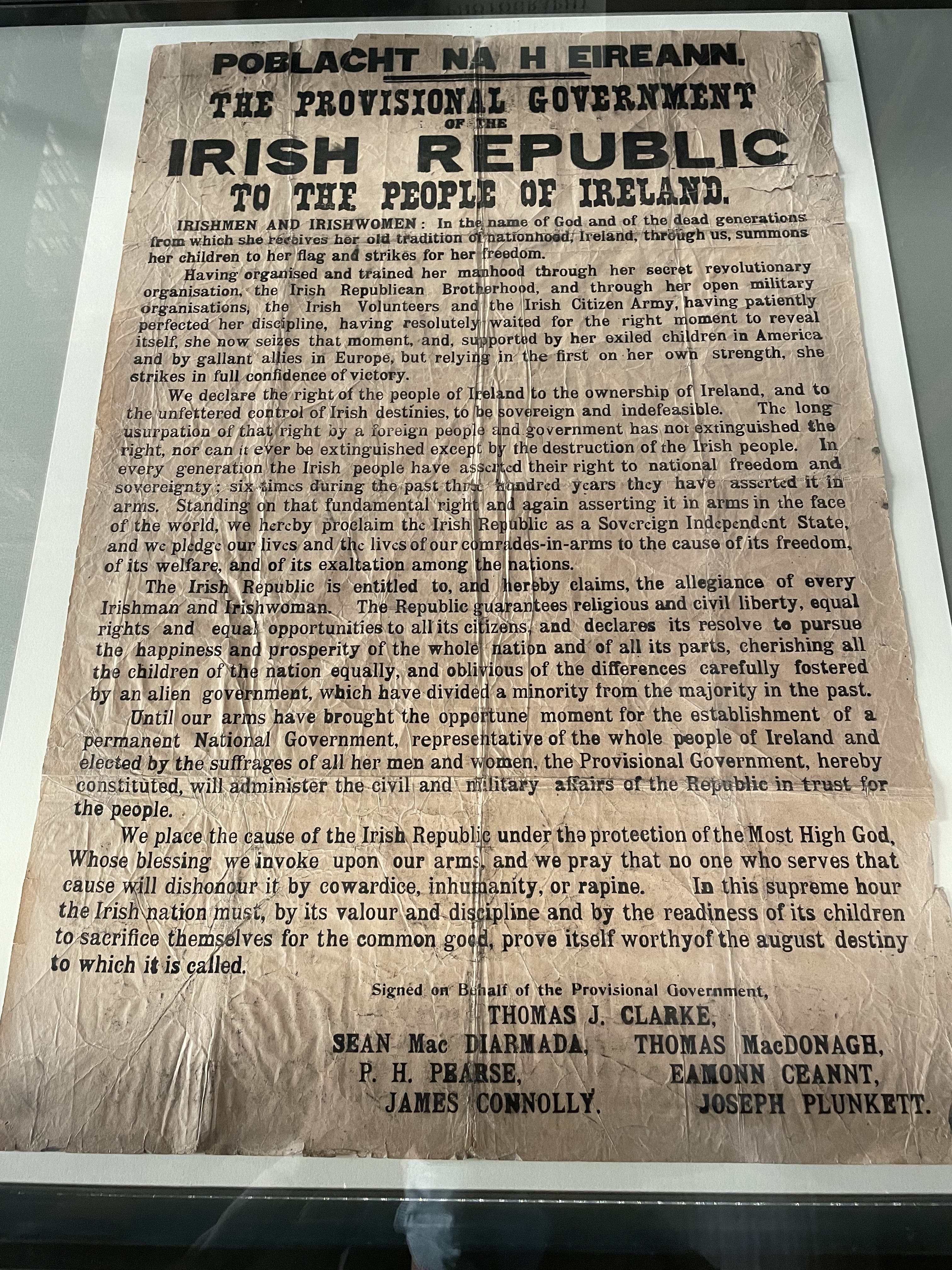
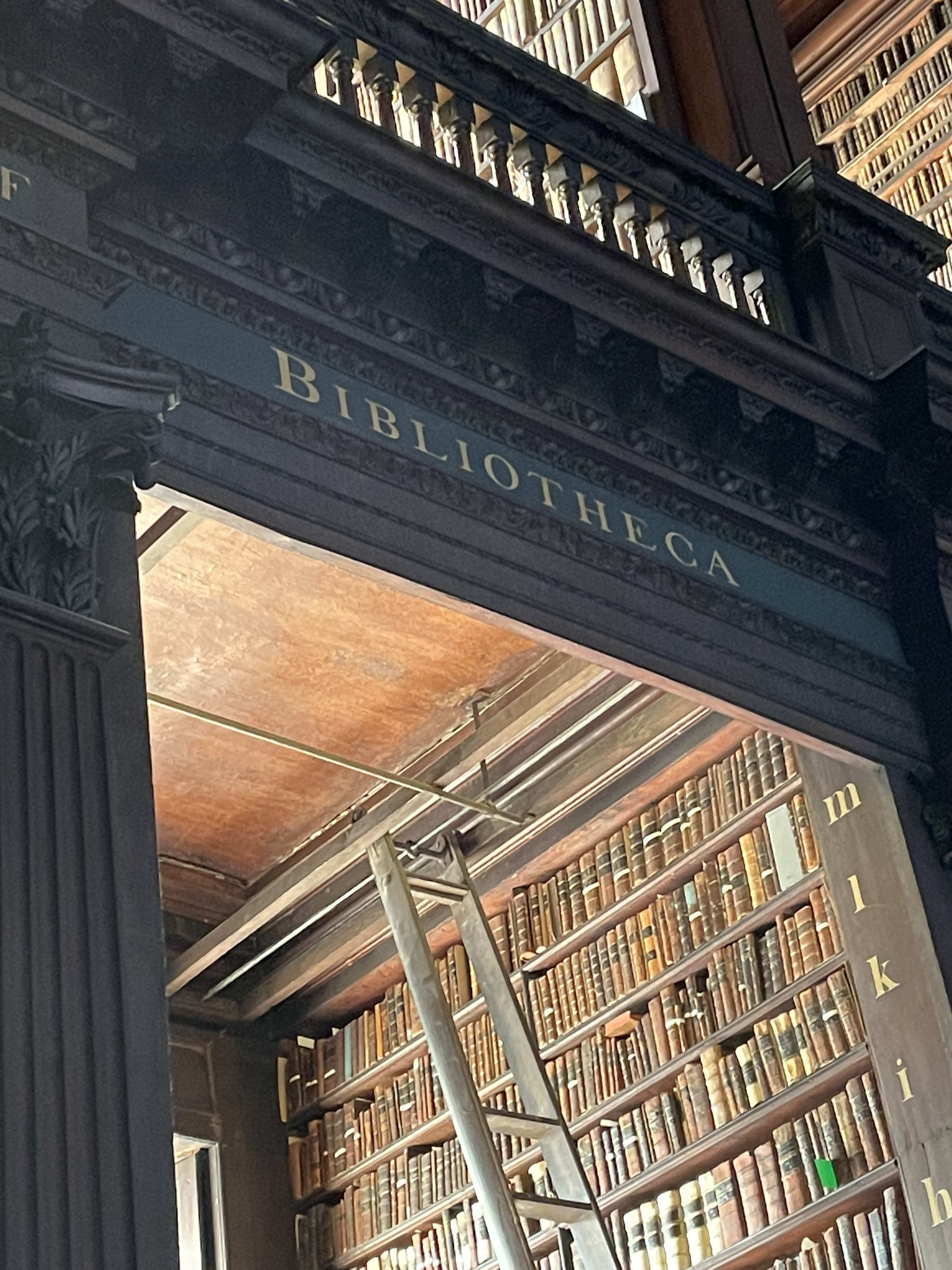
The Long Room is perhaps my favourite room in the world. From my journal back then:
“it is simply the most beautiful place I’ve been to in all my trip to Dublin. Maybe it is because I love libraries and books in general. You cannot touch the books, they are ancient, but the place itself has a mystic that makes you feel as if you were in a medieval library. The smell of books, the beautiful statues… I was simply marvelled”

[carousel]



[/carousel]
The Book of Kells
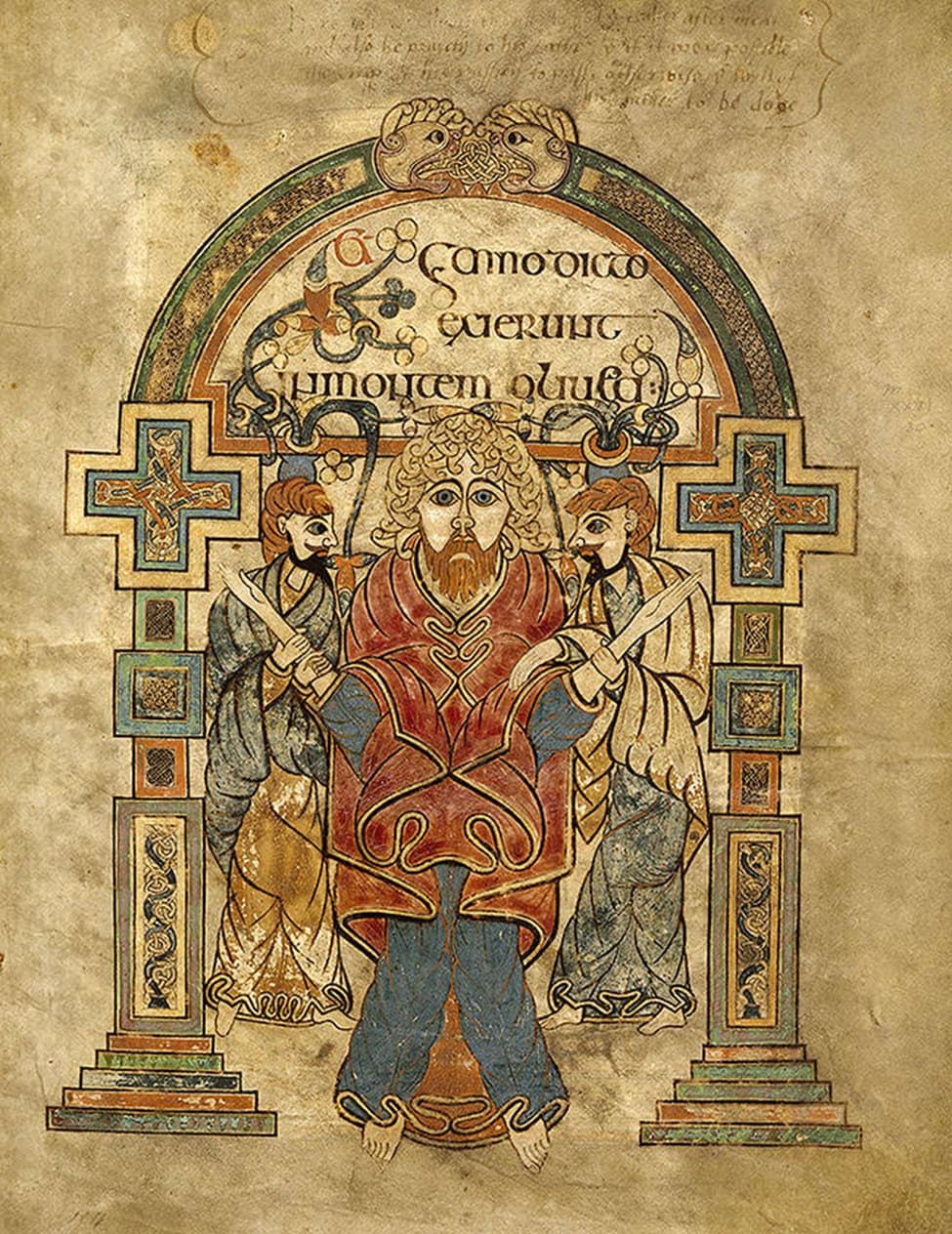
The Book of Kells is an ancient manuscript, one of the oldest original books on Earth. Its history is intricate, having been moved from one place to the other many times; it was even stolen and then recovered. What fascinates me the most are the intricate drawings, made by two young monks and two scribes. The book is carefully displayed, open on one page, and they change the page every 4 months.
[carousel]

[/carousel]
Final Thoughts
Truth be told, I was going through rough times around the time of this trip. I had just moved to London, I was failing miserably at adapting, and this trip was devised as a way to escape for my birthday.
Exploring magical cities like Dublin was one of the reasons why I had always wanted to move to Europe, and I’m glad I managed to visit, even if I was a little distracted. When I think back to Ireland, I remember mostly two things: Seeing the deepest green I’ve ever seen in the countryside during the country tour, and being mesmerized by the most beautiful library in this world.
I owe Ireland a longer, more immersive visit, since the little I managed to see blew my mind!