Edinburgh: Where Hogwarts Was Born
Edinburgh
The Cradle of Harry Potter
As a Harry Potter fan, Scotland and, in particular, Edinburgh had always ranked high, if not at the top, in my European travel list. Finally, in 2021, I had the chance to have a first encounter with a city that was just as dark, mysterious and magical as I had always envisioned.
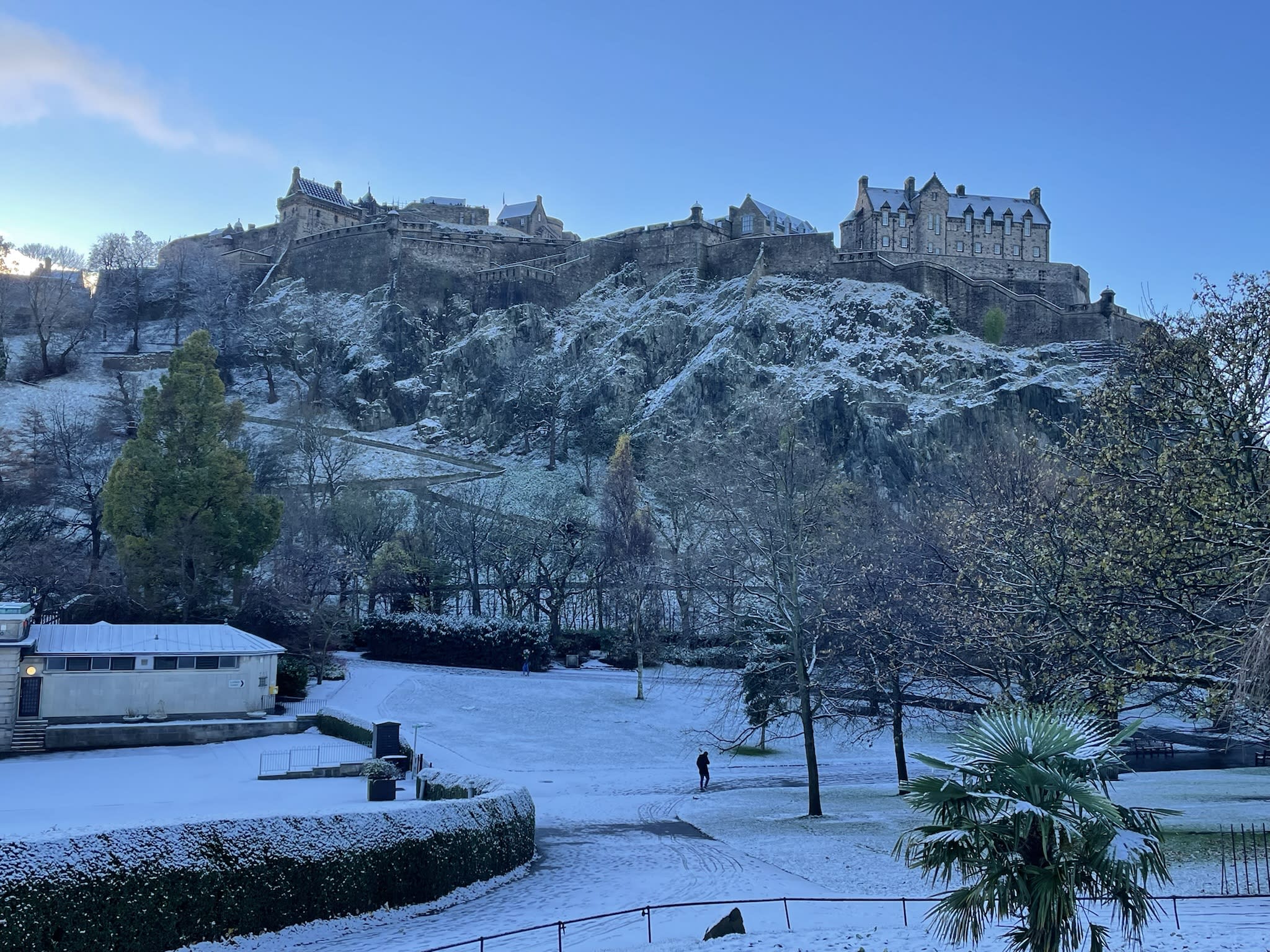 Edinburgh Castle after a light snowfall on the last day of my trip
I guess that it was in this first, short trip that I fell in love with Scotland, because I kept coming back to the country and to Edinburgh itself many times over the years, meticulously visiting the locations where J.K. Rowling was known to have lived, drawn inspiration, and written the first Harry Potter books.
Edinburgh is stylish in its own dark, gloomy, worn-down way. Edinburgh Castle, the main landmark, towers over the city looking just like Hogwarts was supposed to. Photogenic graveyards, ancient churches, cobbled streets, free museums and charming shops: Edinburgh has it all.
[content_table]
Trip Journal
The train ride
I absolutely recommend riding the LNER train from Kings Cross (Central London) to Waverley (Central Edinburgh) over a short one-hour flight. It’s much more comfortable, and you skip the hassle of getting to the airports, which are significantly far from the main attractions in both cities.
I slept until Newcastle (north of England), had some coffee, and enjoyed the green English-Scottish countryside view from the window. Riding trains makes me feel at peace, always.

Waverley station is pretty large and built in a multi-level way, which can be very confusing to first-time visitors. I have often had trouble finding even the tracks, so I recommend arriving in advance if you ever depart from here.

Book the trains as early as possible and consider buying a railcard if you qualify. London to Edinburgh tickets can get quite pricey if you book too close to the date.
The Balmoral
As soon as you get out of the train station, you get rewarded with a view of the exclusive Balmoral Hotel.


The Balmoral: Opened in 1902 as the North British Station Hotel, it originally served railway passengers arriving at nearby Waverley Station. It became “The Balmoral” (meaning “majestic dwelling” in Gaelic) in 1991, following a multi-million-pound refurbishment.
- Much more than a luxury hotel: it’s a cornerstone of Edinburgh’s history and culture.
- The clock in its clock tower famously runs three minutes faster, so travellers are less likely to miss their trains.
In 2007, J.K. Rowling finished writing Harry Potter and the Deathly Hallows there. She signed a marble bust that remains on display in Suite 552.

Greyfriars Kirkyard ⭐
If I could only visit one place in all of Edinburgh, even during a quick two-hour stopover at the train station, it would be Greyfriars Kirkyard.
 This poet’s tombstone gave its name to Professor McGonagall
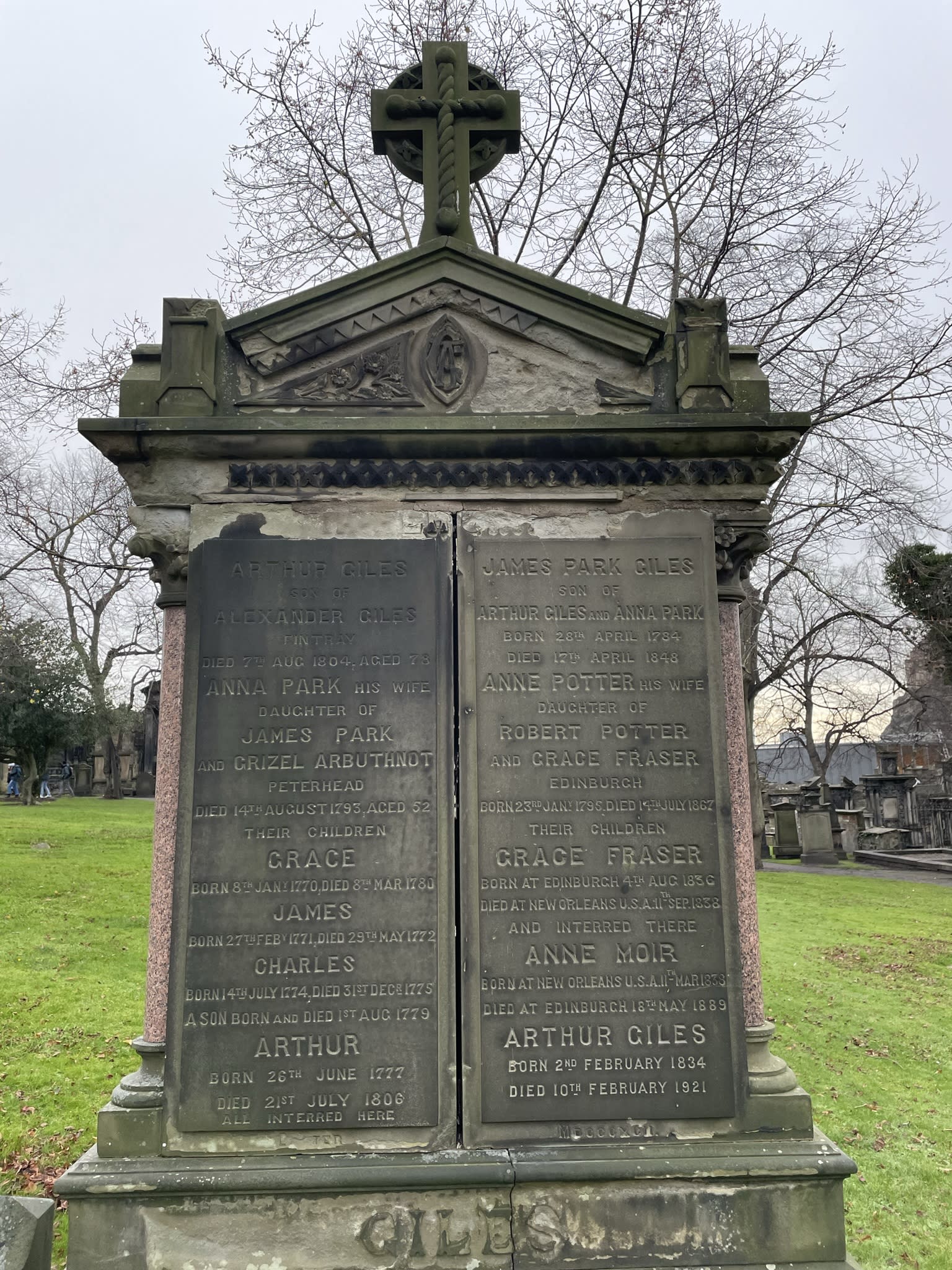
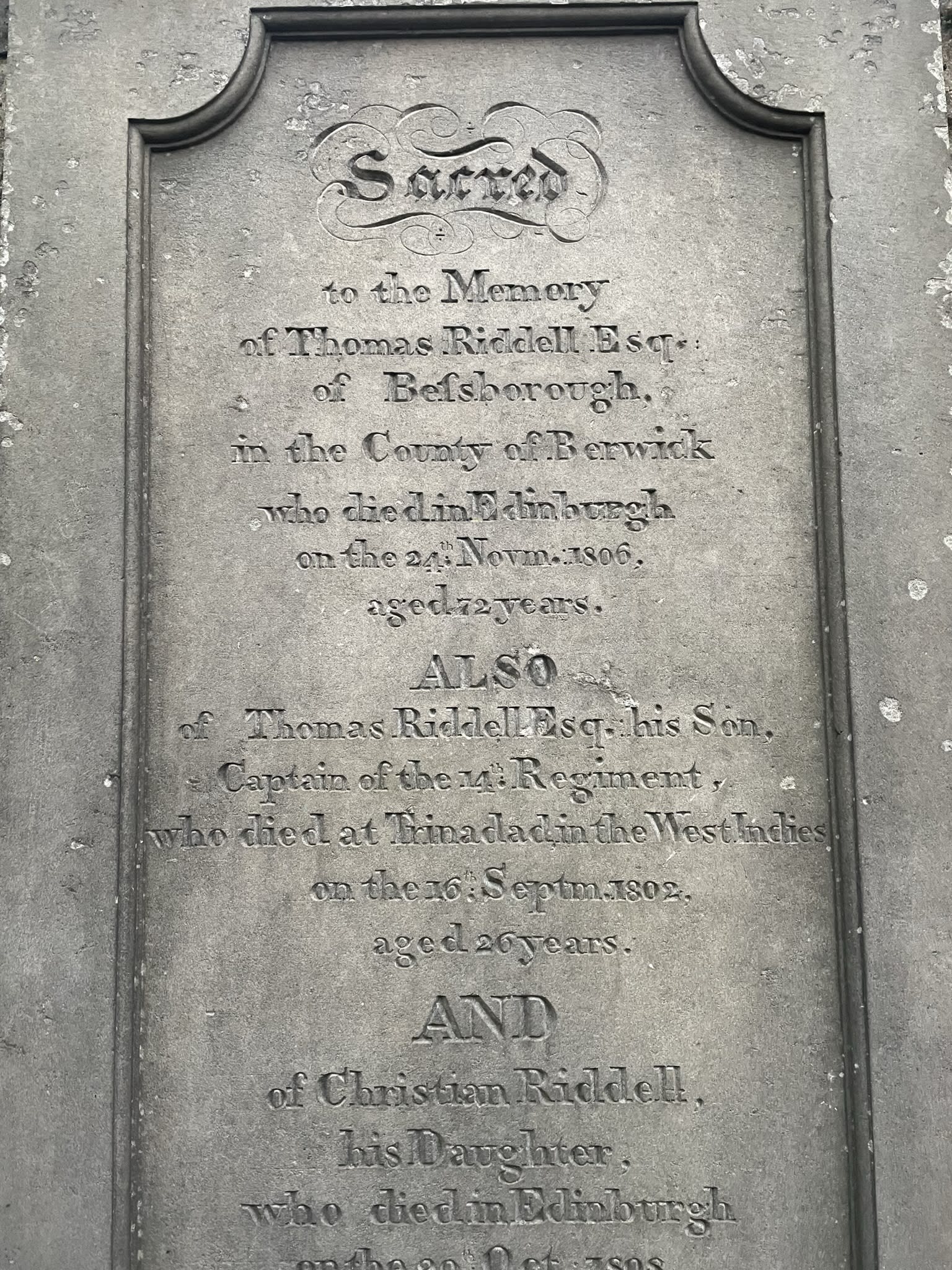
 The tombstone that gave its name to Lord Voldemort
Right in the heart of the Old Town, this old cemetery wraps around Greyfriars Kirk and dates back to 1561. It’s surrounded by weathered stone buildings, filled with unique old gravestones, narrow winding paths, and even a statue of the famously loyal Greyfriars Bobby. But for me, the real magic of this place is its unexpected connection to Harry Potter.
[carousel]


[/carousel]
J.K. Rowling used to walk through this graveyard back when she was struggling and still dreaming up the Wizarding World. Some of the most iconic character names came straight from the gravestones here—Thomas Riddell, McGonagall, Scrimgeour… On one visit, I even came across a Potter and a Neville. But it’s Riddell’s tombstone and McGonagall’s plaque that really stop you in your tracks—they feel strangely powerful if you grew up with the books.
The first time I visited, I was honestly thrilled. It’s a much bigger place than it looks from the outside, and I ended up spending a good three hours just wandering, reading names, and trying to spot the Harry Potter ones on my own. Eventually—just before sunset—I gave in and looked up directions online. That’s when I found the spot, tucked away through an archway. And there they were—the names Rowling borrowed to bring her characters to life. It felt like discovering a secret.

J.K. Rowling’s Footsteps
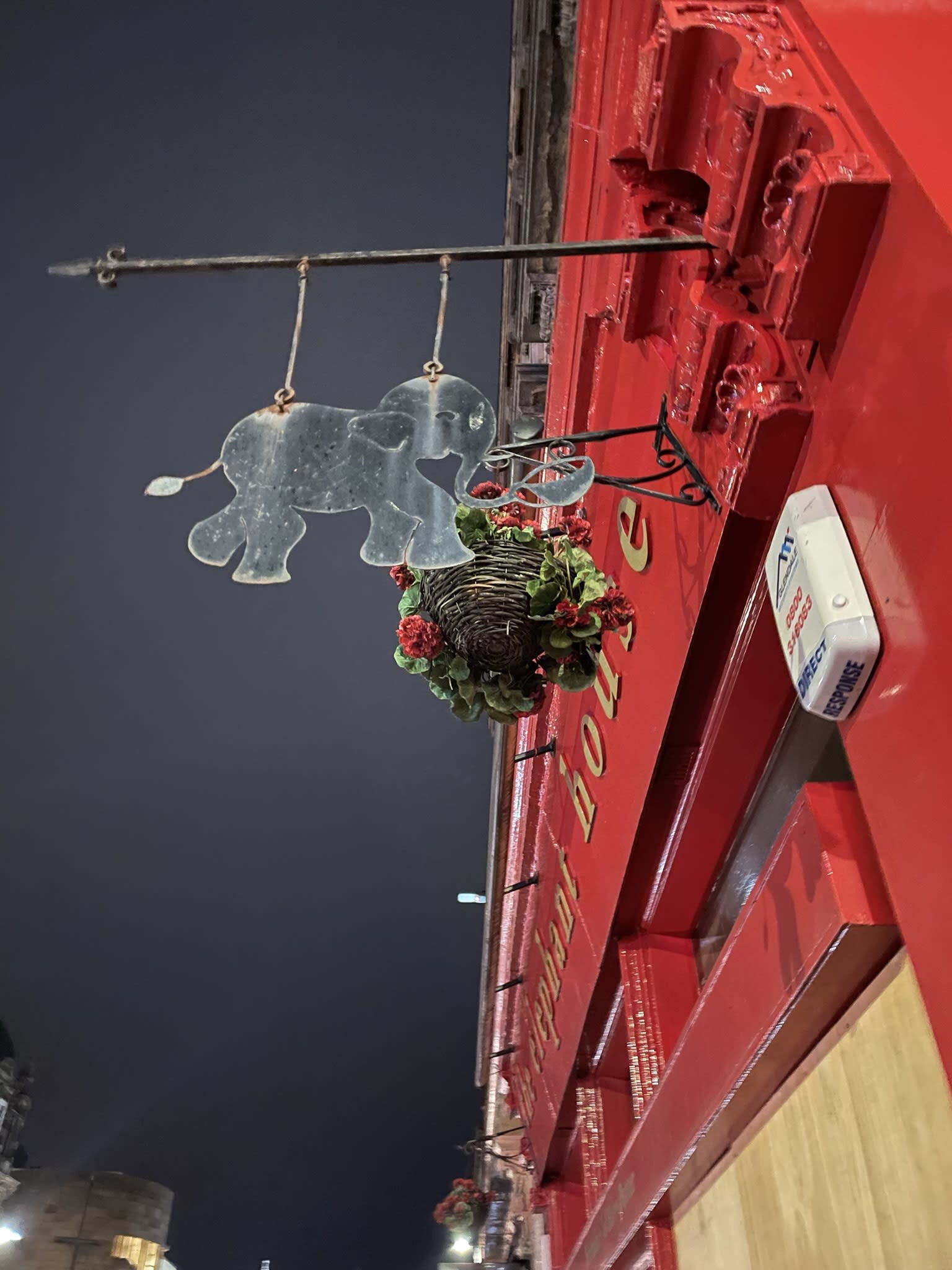
Listening to old interviews of J.K. Rowling, where she reflected back on her years in Edinburgh, I walked in her footsteps and visited the famous cafes where she has been known to write whole swaths of the first book: The Elephant House and Nicolson’s Cafe.


Christmas Market
This first visit was in December, so I got to see the streets decorated with Christmas motifs and even a Christmas Fair.


Scott’s Monument
Scott’s Monument is another of my favourite landmarks in the city. Hard to miss since it is located in the very centre of the city (Princes Street), it is Gothic in style and it’s dedicated to a famous Scottish writer.

Edinburgh Castle ⭐
Edinburgh Castle looks just like a castle is supposed to look: Powerful, imposing, elevated.
Perched dramatically atop Castle Rock, the castle is often called ‘the most besieged place in Britain’. The site has been inhabited since at least the Iron Age, but the first royal castle was built in the 12th Century by King David I. Over the years it served as a royal residence as well as a fortress, changing hands many times, often violently.
The entry ticket to visit is quite pricey, but well worth your money and time. Fun facts:
- James VI of Scotland, son of Mary, Queen of Scots was born here.
- The Crown Jewels of Scotland are on display here. Hidden during the 1650 invasion of Oliver Cromwell, the Honours of Scotland were smuggled out of the castle and hidden beneath the floorboards of a nearby church, until they were rediscovered in 1818.
- The Stone of Destiny, used in coronations, is on display here.
- The castle was attacked, besieged or captured at least 26 times

Check out the blogpost of my 2022 trip, where I focus much more on the castle tour.
Calton Hill
Another interesting landmark is Calton Hill, which offers stunning views over the city as well as:
- The National Monument, an unfinished replica of the Parthenon in Athens. Locals often call it, jokingly, Scotland’s Disgrace because it was never completed. I find it very photogenic.
- Nelson’s monument, which looks like a lighthouse to me.
- Dugald Stewart Monument, a tribute to a Scottish philosopher that is a great viewpoint for sunsets.
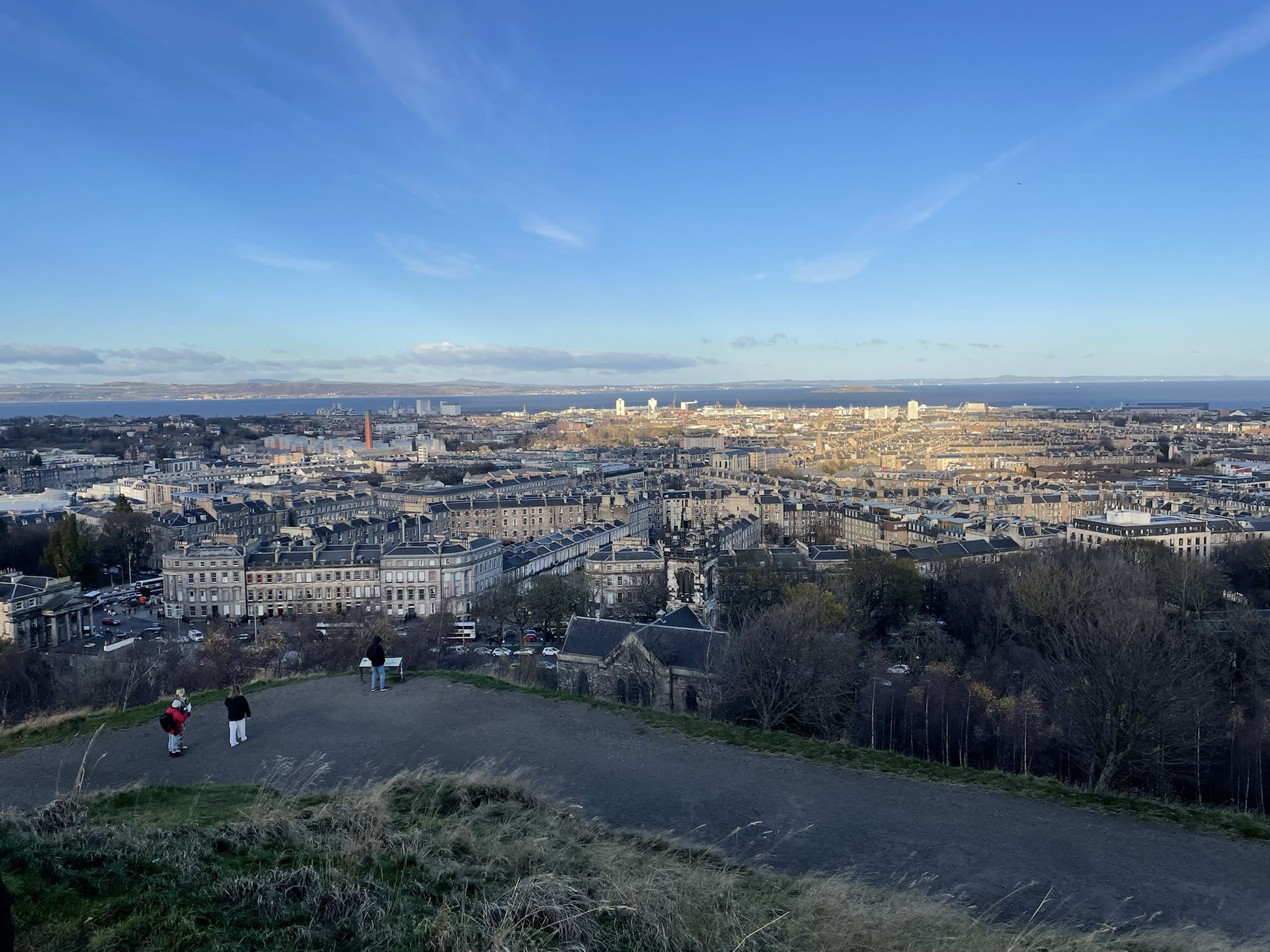

 View of the Palace of Holyroodhouse, royal residence in Scotland, from atop Calton Hill
Princess Street
My favourite street in the city is, undoubtedly, Princes Street. All the landmarks are either here or nearby, and the most stunning views of the castle can be seen from here; particularly from the Princes Street Gardens. I was lucky enough to get to see the whole place loaded with snow on my last morning before departing:

 Gloomy graveyards are commonplace around the city centre. This one is overlooked by the castle.
The Royal Mile
The Royal Mile is Edinburgh’s most famous street; it was traditionally the route for royal processions between the castle and the palace. Located in the old town, it’s intersected by many other cute cobbled streets, so it makes for a pleasant stroll. I love visiting the shops, sitting in cafes, and enjoying the medieval atmosphere.
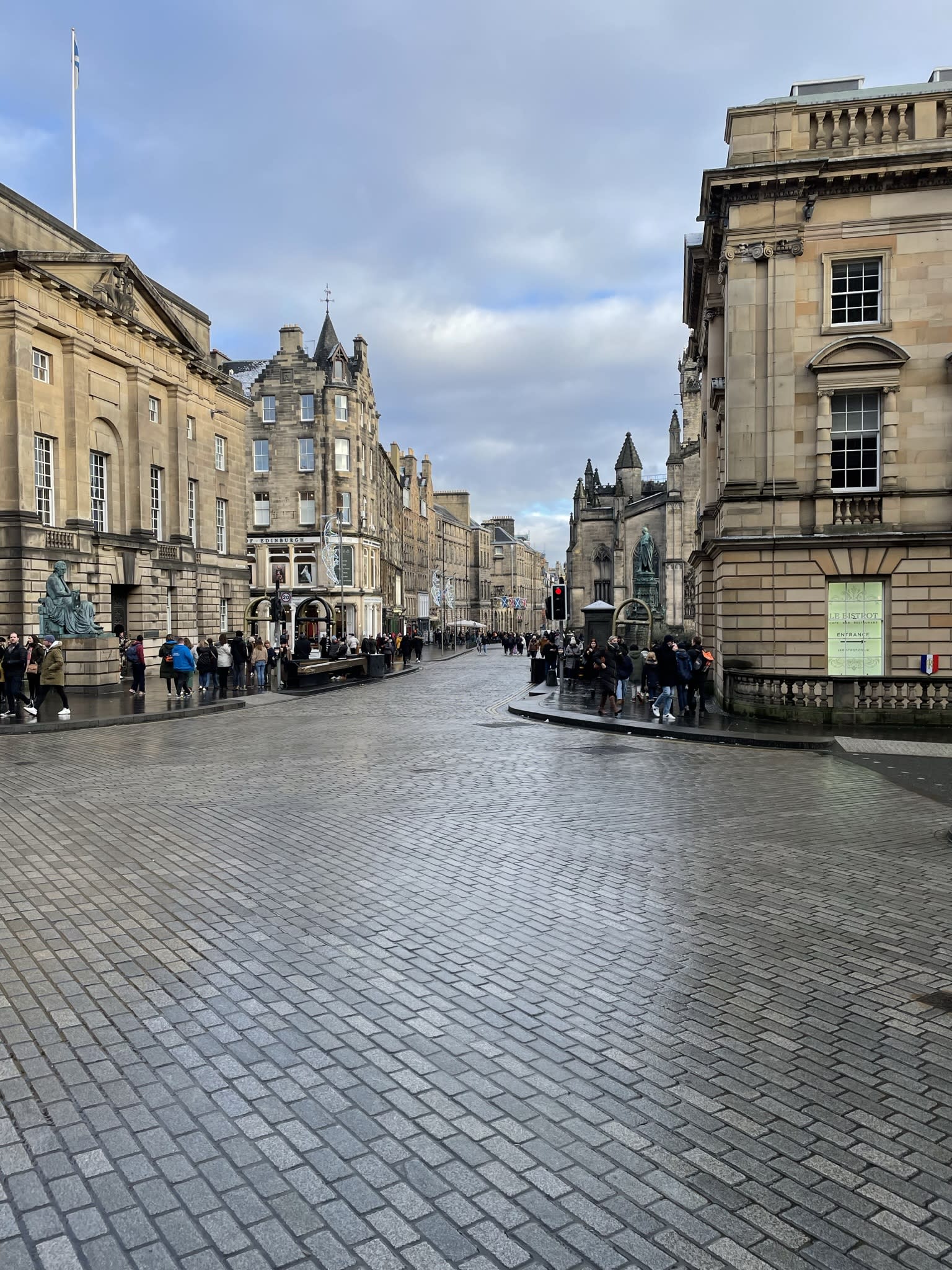
 St. Giles Cathedral

The first of many trips
And so, with a clear view of the snowy city, my first trip to Scotland came to an end. I connected with Edinburgh during one of the hardest times in my life: a rough period of moving abroad, feeling out of place and lost in life.
I remember wandering around the city, listening to J.K. Rowling interviews, thinking about how she had started over from rock bottom, right here on these same streets. I was doing something similar, in my own way, and the Harry Potter theme made me feel just at home. Since then, I’ve been back to Edinburgh four more times, and I’ve managed to rebuild my life too. Not a bad ending.
Checkout my follow up post Edinburgh (2022), with an in depth guide of the castle tour
